
📦 Pack
Full and partial packing, white-glove wrapping for antiques, art and instruments — at your site or ours.
ISPM 15 — the International Standards for Phytosanitary Measures No. 15 — is the global rule for wood packaging in export. We pack and crate to it, so your high-value items clear customs instead of being turned back at a port.
Quote an export job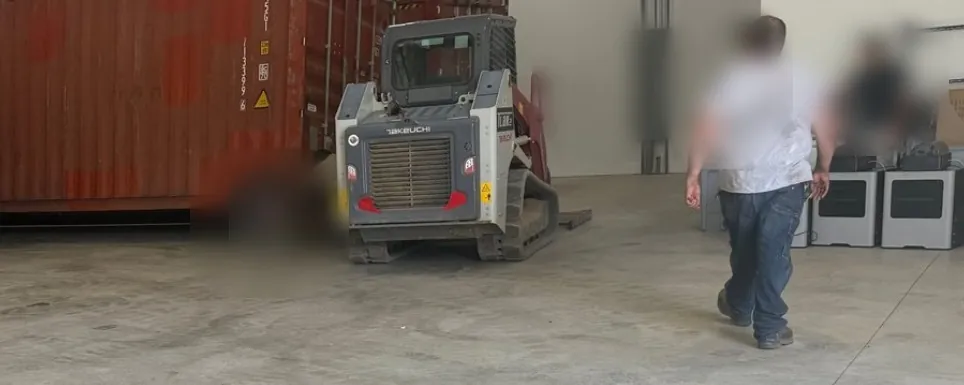
What ISPM 15 actually means
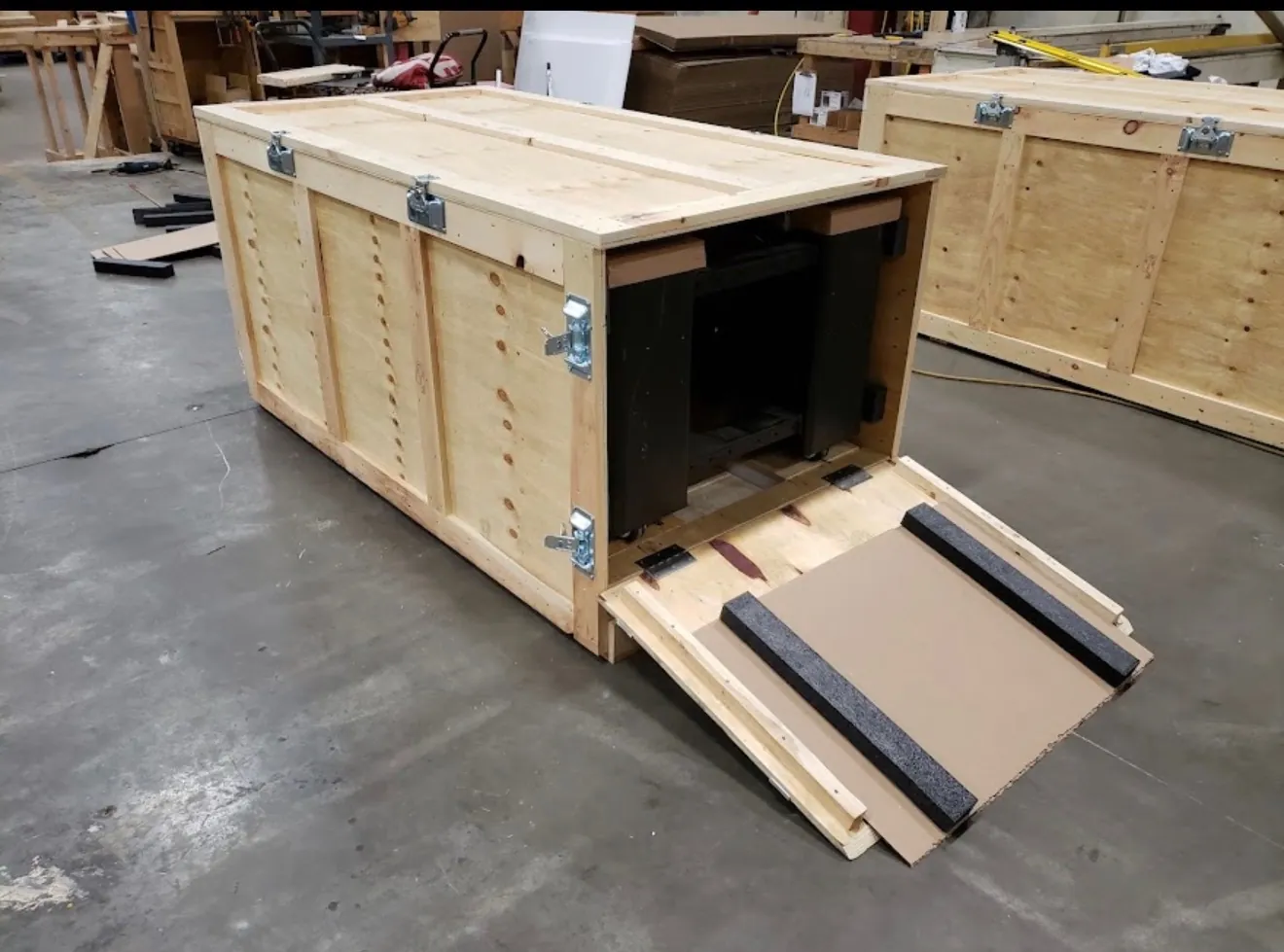
Wood packaging for international shipping must be treated and stamped under ISPM 15 so it can't carry pests across borders. Non-compliant crates can be delayed, treated at your cost, or refused. Every export crate we build uses compliant material and markings — built around the item, not around a standard box.
One chain — tap each link
Most damage and delay happens at hand-offs. We keep the whole chain under one roof:
Full and partial packing, white-glove wrapping for antiques, art and instruments — at your site or ours.
Container loading and unloading, and transloading between truck, container and warehouse — including Port of Virginia freight flows.
The last leg done properly: delivered, brought in, placed and verified — not left on a curb.
Our own warehouse — real photos
These are our own photos of the warehouse floor where containers are staged, freight is handled and equipment is prepared — shown in full frame, so the containers and equipment are not cut out.
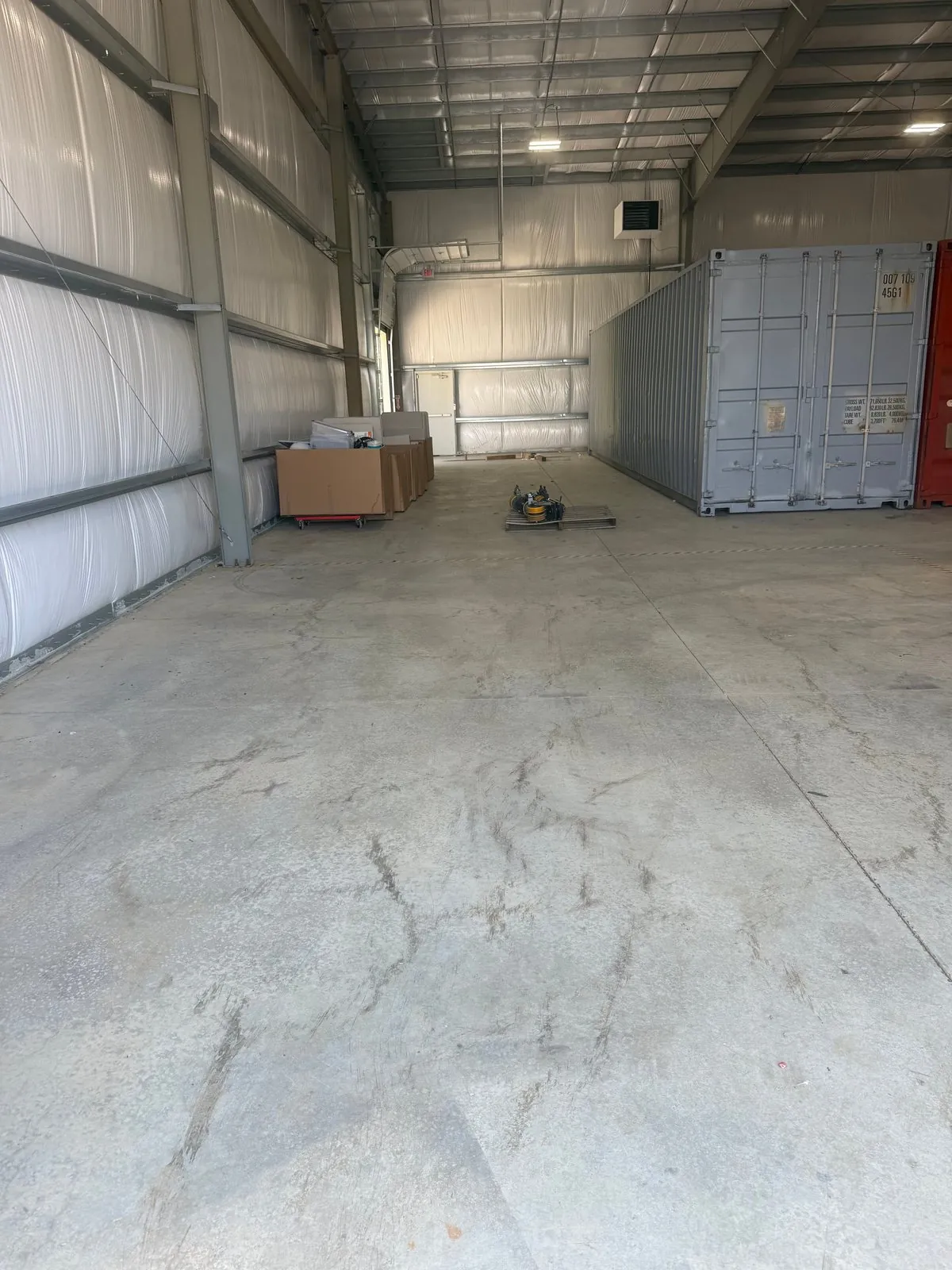
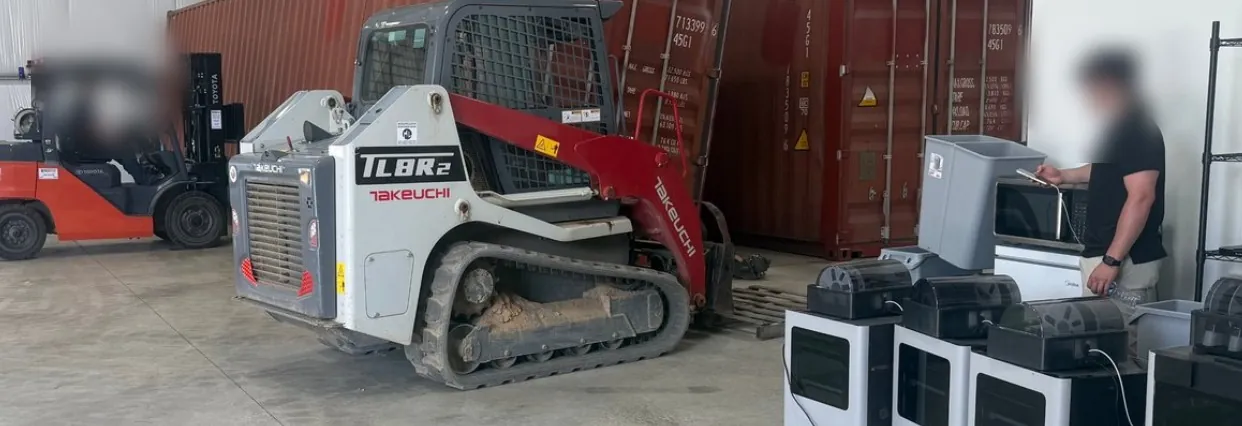
ISPM 15 export packing and crating, custom crates, loading, transloading, and final-mile delivery — one chain that protects high-value items end to end. Wood packaging is treated and stamped under ISPM 15, the International Standards for Phytosanitary Measures No. 15, so shipments clear customs instead of being delayed, treated at your cost, or refused at a port.
Businesses and households shipping high-value items internationally, and freight customers needing container loading and unloading, transloading between truck, container, and warehouse, and final-mile delivery — backed by our warehouse and transload operation with forklift and track loader handling.
Our published chain runs pack · crate · load · transload · final mile under one roof. Worked out in full, an export packing job follows the standard workflow below — the steps are the same ones the service's article describes as the three protection layers: wrap the item, build the crate to ISPM 15 around it, and keep one unbroken chain of custody.
| Step | What happens |
|---|---|
| 1. Survey | The shipment is surveyed and inventoried — what is moving, where it is going, and what the destination's rules require. |
| 2. Measure & design | Each piece is measured and weighed, and the crate is designed to the piece — its dimensions, weight, fragile points and centre of mass. |
| 3. Build the crate | The crate is built around the item from compliant, heat-treated, marked wood under ISPM 15 — not a stock box. |
| 4. Pack, block & brace | The item is packed first — white-glove wrapping for fragile pieces, padding at every contact point — then blocked, braced and cushioned inside the crate so it cannot shift in transit. |
| 5. Mark & documentation | The IPPC mark goes on the wood packaging, and the shipment's documentation is assembled for the freight leg and the border. |
| 6. Load & transload | The crated shipment is loaded, and transloaded between truck, container and warehouse where the route calls for it — including Port of Virginia freight flows. |
| 7. Freight hand-off & final mile | The shipment hands off to the freight leg with its mark visible for inspection, and the final mile at destination is delivered, brought in, placed and verified where the job calls for it. |
The table and definitions below describe the standard itself — ISPM 15, the International Standards for Phytosanitary Measures No. 15, issued by the International Plant Protection Convention — as published in the standard and in the United States program material from USDA APHIS and the American Lumber Standard Committee. They are reference information about the rules every compliant export shipment works to; they are not a statement of any company's certification or program status.
| Treatment | Code | What the standard requires |
|---|---|---|
| Heat treatment | HT | The wood core is held at a minimum of 56 °C for at least 30 continuous minutes, throughout the profile of the wood. |
| Dielectric heating | DH | The entire profile of the wood, surface included, reaches a minimum of 60 °C for at least 1 continuous minute. |
| Methyl bromide fumigation | MB | An approved fumigation schedule. Methyl bromide is restricted or phased out in many jurisdictions and banned in the European Union. |
Why does ISPM 15 matter? Because non-compliant crates can be delayed, treated at your cost, or refused — compliant, heat-treated, marked wood built around the item avoids that.
Do you handle the whole chain? Yes — pack, crate, load, transload, and final mile, with no hand-off risk where the job calls for it.